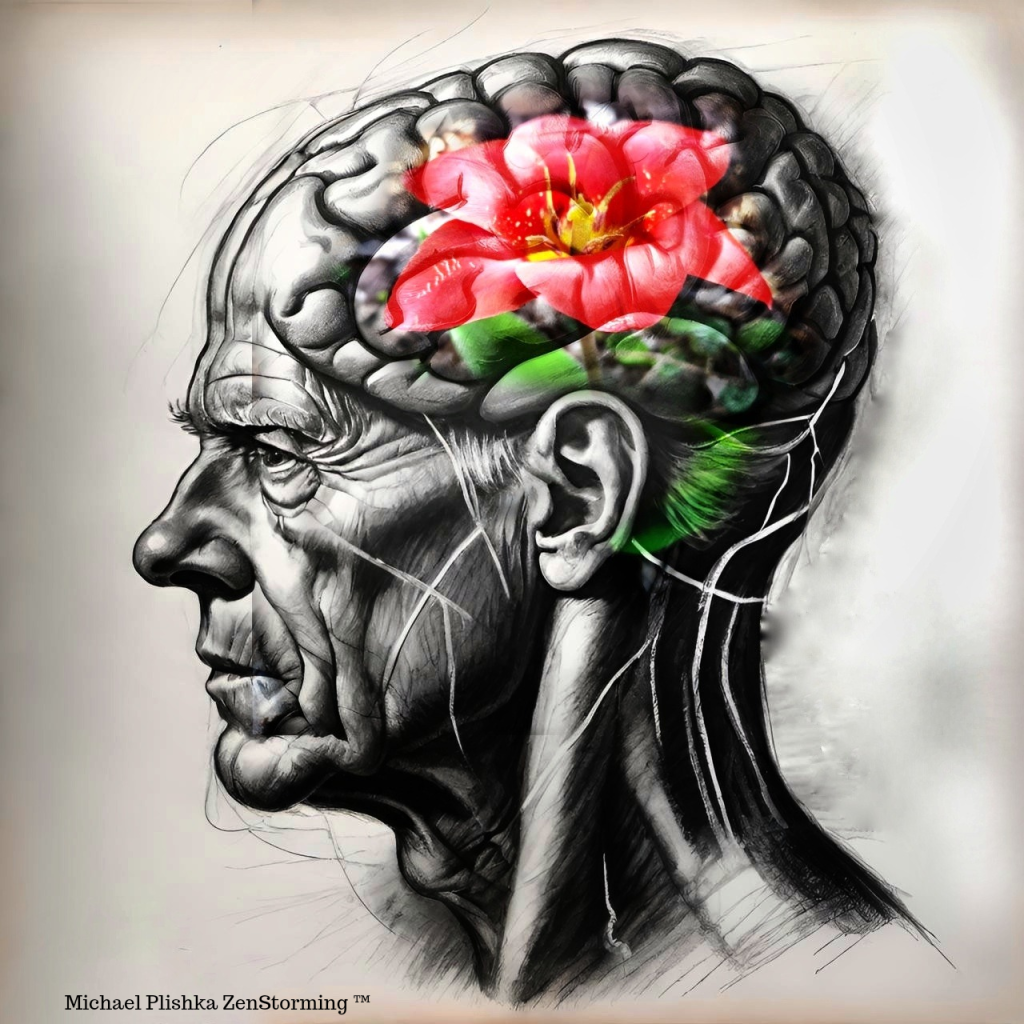
As we age, it’s common to experience those frustrating moments of forgetfulness.
Neuroscience professor, Charan Ranganath of UC – Davis gives four key habits to sharpen your memory:
1. Focus: Ditch multitasking. Concentrate on one task at a time to bolster memory strength. Dedicate specific times for tasks and sprinkle in breaks to recharge—meditation, a stroll, or daydreaming can do wonders.
2. Sleep Well: Prioritize quality sleep. It’s essential for clearing brain waste and cementing memories.To enhance your sleep, limit screens, heavy meals, caffeine, and alcohol before bed. And if you’re struggling with snoring, consider getting checked for sleep apnea.
3. Seek Novelty: Break the monotony. Novelty keeps the brain nimble. Go for a walk, meet new people, and seek new experiences. These will become the building blocks of vivid, lasting memories.
4. Overconfidence in our memory can lead to disappointment. Accept that memorization is hard, and give yourself permission to get it wrong before you get it right. Test yourself repeatedly over time to strengthen recall of info you need.
These four insights remind us that memory isn’t just about holding onto the past—it’s about empowering our present and future. By understanding and nurturing our brain’s needs, we can maintain a sharp, reliable memory well into our later years.
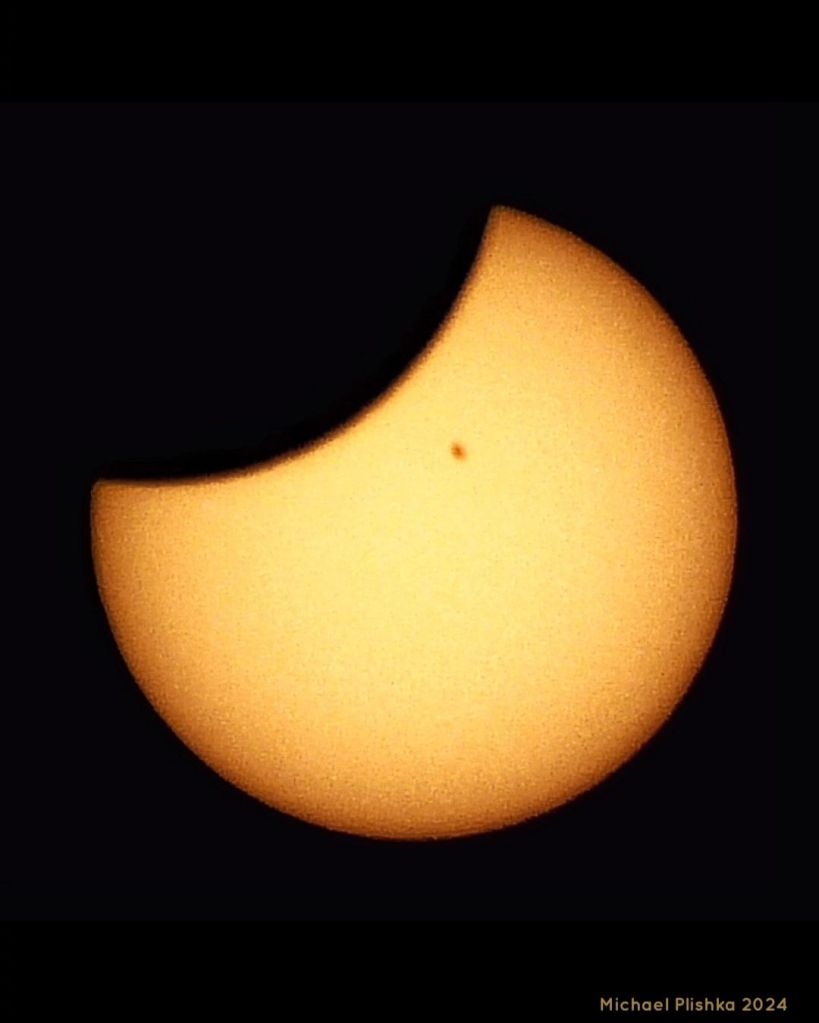
I have always been in awe of the night sky, and the beauty of it all. Like many, I was captivated by the recent eclipse—an experience that reminded me of the power of awe.
The profound sense of wonder, sparked by the vast and beautiful, not only lifts our spirits but also has tangible benefits.
Research shows awe can shift our focus off ourselves, and ignite creativity. It even encourages kindness, strengthens connectedness, and by stimulating the vagal nerve it can reduce stress, aid digestion and reduce inflammation.
And the best part about it is that it’s not some quick fix. The impact of awe can be felt for days after an inspiring event.
By simply taking a moment to appreciate nature’s grandeur, delighting in uplifting content, or sharing inspiring tales, we can all harness awe’s transformative impact – both for ourselves and for those around us.
So instead of waiting for another eclipse, seek out more opportunities to cultivate awe across all aspects of your life. The inspiration and sense of wellbeing could very well lay the groundwork for your next great innovation. If nothing else, your life will be enriched, and a better you means a better world.
In a hockey game, players stop and change directions hundred of times. There’s a lesson there for all of us,, in business and in life…
(The article I mention in the video is not only about Wayne Simmonds‘ evolution from a dream-filled youngster to an NHL star, but an homage to trailblazer Willie O’Ree, the first black hockey player in the NHL Enjoy and be inspired!)
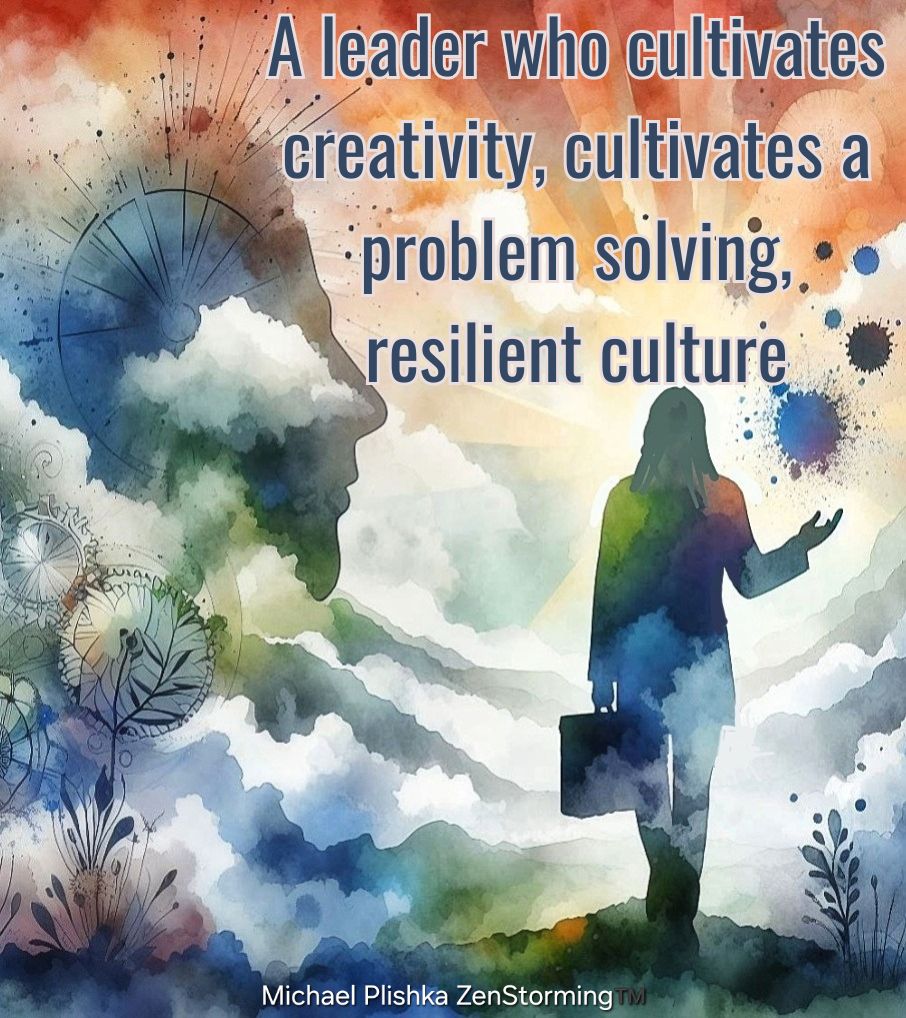
A leader who cultivates creativity cultivates a problem solving, resilient culture. This involves a multi-faceted approach that: – Encourages open communication and welcomes diverse perspectives: – Provides resources and tools for dream building. – Recognizes and rewards creative courage and accomplishments . – Encourages risk-taking and reframes it as knowledge building – Implements training programs. – Creates spaces and conduits for creativity. – Promotes work-life balance to prevent burnout and keep minds fresh. – Leads by example
How many of these are you doing? What else would you add?
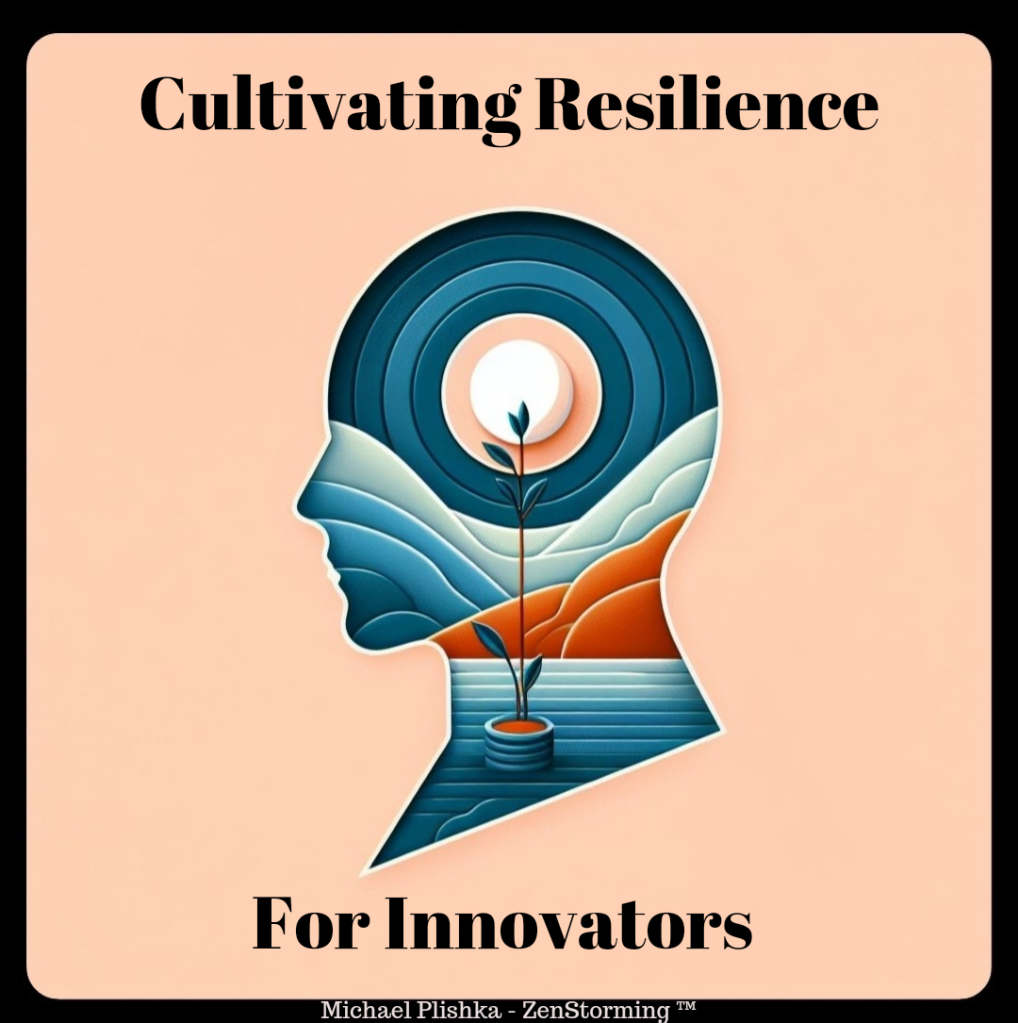
Creativity, innovation, can be both exhilarating and daunting. When we share our work—our ideas, our very selves—we engage in an act of profound vulnerability. We question the value of our creations and, in the absence of clear answers, we turn to others, only to sometimes receive feedback that stings.
So, how does one cultivate resilience that remains steadfast? Below are 5 strategies and affirmations to bolster you during moments when you are doubting your genius:
1. Develop a strong, grounded sense of self-worth that is not contingent on external validation. Practice self-compassion and remind yourself of your inherent value, separate from your work or achievements. AFFIRMATION: “My self-worth is innate and unwavering. I am not my work- I am valuable beyond my achievements.”
2. Reframe critiques as opportunities for growth, rather than personal attacks. Consider the source. Approach feedback with a curious, learning mindset – what insights can you glean to improve your craft? AFFIRMATION: “I welcome feedback as a chance to grow. Each critique holds a seed of insight to enhance my work”
3. Build a supportive network of like-minded peers who “get” the challenges you face. Their empathy and encouragement can buoy you when the criticism feels overwhelming. AFFIRMATION:”I am surrounded by a supportive community that understands and uplifts me in my creative journey.”
4. Practice emotional regulation techniques like meditation to remain centered and clear-headed when the noise gets loud. Don’t let knee-jerk reactions sabotage your progress. AFFIRMATION: “I meet challenges with a calm, clear mind. Emotional equilibrium – calm- is my superpower.”
5. Remind yourself of your “why” – the deeper purpose that motivates your innovative spirit. Reconnect to that wellspring of passion when self-doubt creeps in. AFFIRMATION: “My deeper purpose sustains my innovative spirit, no matter the obstacles.”
The journey to unshakeable resilience is an ongoing one, but these strategies can help you develop the fortitude to keep pushing creative boundaries, no matter what skeptics may say.
If you’re an innovator/creative struggling to rise above the noise, reach out to me. I‘ve got your back. Your creative vision is needed now more than ever!
What do astronauts and elite athletes have in common?
They both monitor their Heart Rate Variability (HRV).
But why is this measure so important, and how does it relate to creativity?
HRV is a critical indicator of our nervous system’s resilience and ability to adapt to stress. Unlike simply counting heartbeats per minute, HRV focuses on the subtle variations in time between consecutive heartbeats. This sensitive metric offers a nuanced picture of our physiological state by reflecting changes in our autonomic nervous system’s balance.
By tracking HRV, individuals can gain valuable insights into how their bodies respond to different types of stress, whether physical, mental, or emotional. This knowledge allows athletes to fine-tune their training intensity for optimal performance. But the benefits of HRV monitoring extend far beyond the realm of physical training.
Interestingly, a high HRV is also associated with a harmonious autonomic nervous system, which is conducive to creativity and innovative thinking. When our bodies are in balance, we’re more capable of entering flow states, generating novel ideas, and approaching problems from fresh, inventive angles. In other words, HRV acts as a barometer for our creative potential.
So, how can you harness the power of HRV? Start by incorporating daily assessments into your routine using a reliable tracker or app. I like an app called Welltory. It’s validated and makes HRV data actionable. Then, use your readings to guide your activities. If your HRV is low, don’t despair – practices like deep breathing, meditation, and engaging in enjoyable hobbies can help increase HRV levels, promoting relaxation and balance. Prioritize restorative activities until your HRV recovers.
Conversely, when your HRV is high, seize the opportunity to push yourself physically or dive into complex creative projects. Your body is primed for peak performance.
Whether you’re an astronaut, elite athlete, or artist, tuning into your body’s signals through HRV tracking can be a powerful tool for optimizing your capabilities. By understanding and responding to the language of your heart rate variability, you’ll gain a deeper connection with your body and the ability to thrive in all your pursuits.
Exercise does more than just keep your body fit. It also plays a crucial role in maintaining and enhancing your brain health.
Renowned researcher, Henriette van Praag, has shown that exercise can stimulate the growth of new brain cells. Her research, conducted on mice, led her to take exercise more seriously as a tool for cognitive enhancement. It’s not just about building muscles or losing weight; it’s about building a healthier, more robust brain.
Regular physical activity triggers the release of neurotransmitters like epinephrine, norepinephrine, dopamine, and serotonin, which are known to elevate mood and improve cognition.
But the benefits don’t stop there. Consistent exercise over time not only enhances cognitive test scores but also offers protection against neurodegenerative diseases.
How?
When we exercise, blood flow increases to the brain. More blood flow, more blood vessels grow. In addition, our exercised muscles release a hormone called irisin. Irisin has neuroprotective effects that can defend against conditions like Alzheimer’s and dementia.
Another key player is a protein called BDNF (Brain-Derived Neurotrophic Factor). Exercise increases the levels of BDNF , supporting neuron health and the formation of synapses – the junctions where nerve cells communicate. Together with more blood vessels, this could potentially offset brain volume loss associated with aging and protect against diseases like Alzheimer’s.
So what’s the lesson here?
~Move~
Exercise brings comprehensive benefits for body as well as brain health and cognitive function. So next time you’re thinking about skipping that workout, remember: you’re not just doing it for your body; you’re doing it for your brain, too!
I often have discussions about the role of AI in organizations and innovation processes.
At its core, the inquiry is straightforward: Where does AI fit in?
While not an exhaustive list, here’s some proposed AI use cases for different business units, as well as AI-related roles:
Design: – AI tools for ideating, prototyping, and designing novel product/service experiences – AI systems to analyze user data/feedback for deriving insights – AI for optimizing service flows, usability, accessibility in designs
Engineering/R&D: – Generative tools utilizing AI for optimized product designs, materials, simulations – AI-powered ideation and brainstorming assistants for generating new product/feature ideas – AI systems to analyze patent databases, research papers for innovation insights – Computer-aided engineering with AI for modeling, analysis, testing
Marketing: – AI copywriting tools for content creation, ad copy, email campaigns – AI image/video generation and editing tools – AI voice assistants/chatbots for marketing interactions – AI analytics for buyer behavior modeling and campaign optimization
Sales: – AI-driven digital sales assistants for customer conversations – AI recommendation engines for cross-sell/upsell opportunities – AI contract review and negotiation tools
Operations: – Predictive maintenance and asset optimization using AI – Intelligent process automation with AI decision support – AI for planning, scheduling, supply chain optimization
Finance: – AI for financial forecasting, budgeting, spend analysis – AI-driven anomaly detection for auditing and fraud prevention – AI tools for contract/document review and analysis – AI assistants for automating financial reporting and insights
Executive/strategic level: – AI for scenario planning, simulations of strategies, investments – AI analyzing data for insights – AI-powered dashboards and natural language reporting – AI-enabled risk analysis/mitigation, opportunity identification
AI should also be integrated into the management structure.
Some possibilities: – Chief AI Officer – Business Unit AI leads – An AI Program Management Office (AI PMO)
Of these, the AI PMO is the hub, the locus, a centralized team responsible for overseeing the company’s AI strategic implementation and project portfolio.
This centralized-yet-embedded capability can identify high-value use cases, deploy the appropriate AI tools, provide training, and ensure adherence to ethical principles – all while aligning AI efforts with core business objectives.
Ultimately, the implementation of AI needs to be done with empathy and with feedback from the individuals who will be using these tools. The seeds of AI can be planted from above, but adoption and effective implementation can only occur when the people using the tools believe in them and embrace them.
The possibilities that can be realized with AI are boundless, constrained only by the limits of one’s imagination. By thoughtfully integrating AI capabilities across vital functions, an organization can position itself for success in the AI-driven future that lies ahead.
If love to hear your thoughts on how AI gets integrated into organizational cultures . What would you do? Are certain business units more critical than others for integrating AI?
We often get caught up trying to be like others, emulating their success and following in their footsteps.
But the true path to standing out is to double down on what makes you unique.
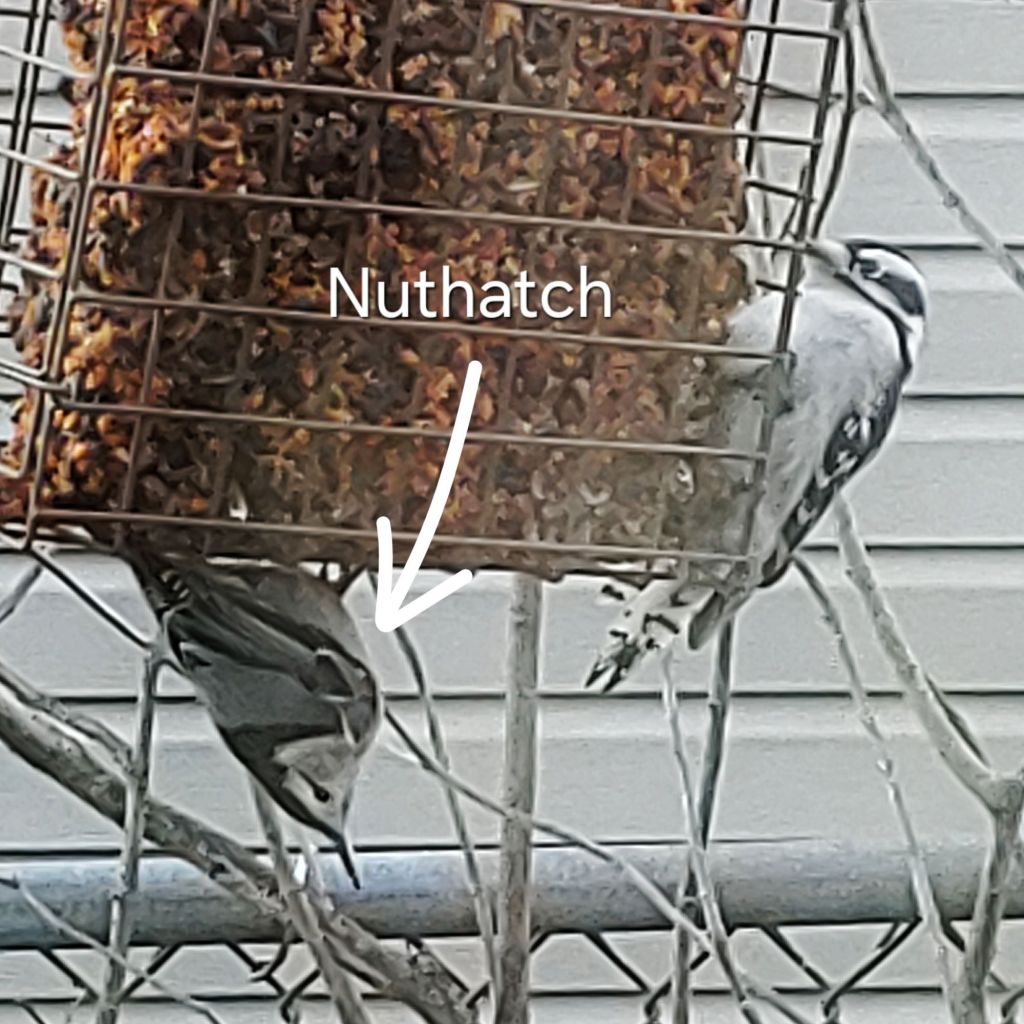
The nuthatch, highlighted in the pic above, is a tiny, unassuming bird. But it has an amazing superpower. It’s the only bird species in North America that can walk head first down a tree trunk. This enables the nuthatch to find niches that other birds miss.
It’s all about perspective.
This unique talent isn’t something nuthatches learned – it’s simply how they are.
The greatest businesses and leaders don’t succeed by simply copying others, but by leaning into their own experiences, talents and perspectives-their genius!
Apple didn’t go toe-to-toe with Microsoft by making a better Windows, but by blazing its own trail. The most successful find their individual superpower and wield it unapologetically.
Learn from the nuthatch.
Best practices are those superpowers that are unique to you and/or your team.
Identify your special skills and strengths, and leverage them in new and innovative ways.
A grandiose dose of silliness and fun Step right up to The Orchid Show of Wonders, where your favorite carnival and circus attractions come to life in new ways. You’ll walk under Ferris wheel seats, and marvel at unicycles on tightropes and other gravity-defying surprises under the big top. This Orchid Show whisks you away to a whimsical world of 10,000 fresh, vibrant blooms.
One of the most powerful ways to create innovations is to take two ideas, two metaphors, and collide them together in a way that brings forth something new and exciting. In this case, the idea was to bring together the metaphor of circus, The Greatest Show on Earth, and fuse it with orchids, one of Nature’s Most Sublime masterpieces. The end result?
The Orchid Show of Wonders!
But instead, the innovation that was spawned was a disjointed amalgam, a mix that highlighted neither circus nor orchids. It was a Fauxnnovation, a mash of metaphor with little transformation or elevation.
The Circus theme brought flashing lights, mirrors, and repetitive Calliope music, and that became the backdrop to the soft curves of orchids, a beauty that normally commands introspection and contemplation.
One would expect that an event at the Chicago Botanic Gardens would place orchids at center stage. But instead, it was almost like they were after thoughts to the Circus theme. The flowers, the orchids, got lost in the flashing lights.
At a circus you want to keep moving, you want to take in as much as you can during a day, eat as much as you can, play as much as you can. But here, instead of wanting to linger in shadows of beauty, the lights and music created an unconscious desire to keep moving – as if you were at a circus. (Other people I spoke to commented on this vibe as well)
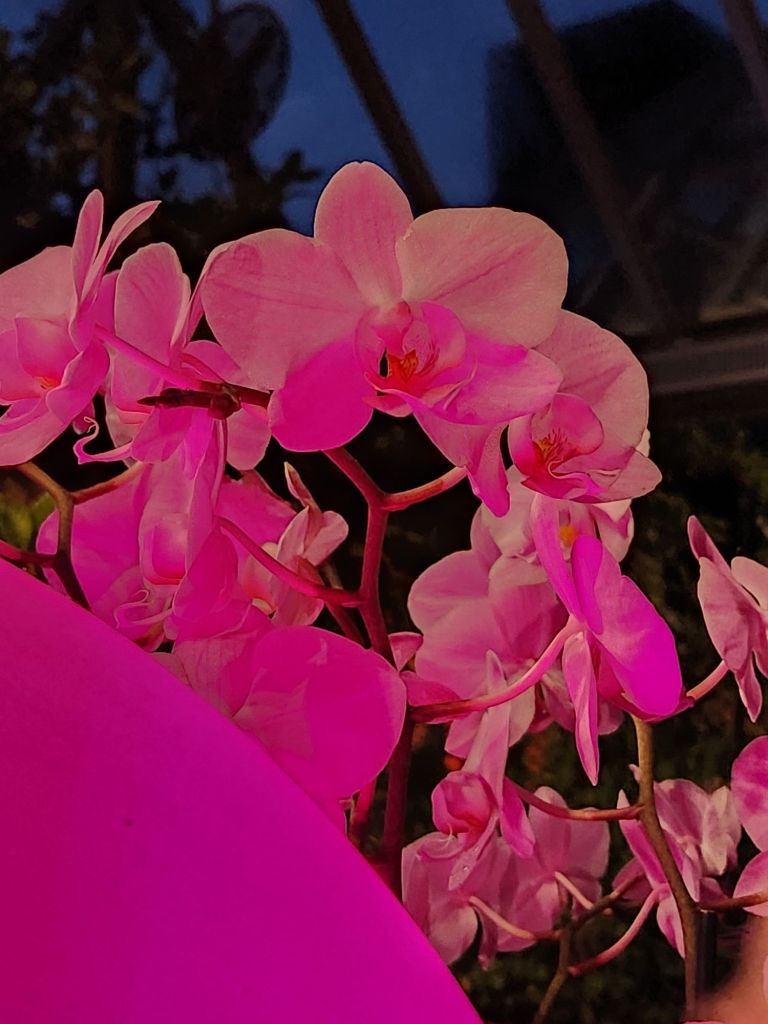
Cool effect but the orchids are an afterthought
The jarring lights and carnival music overwhelmed the delicate orchid displays rather than amplifying their sublime beauty. Instead of evoking awe and tranquility, the competing sensory overloads just created dissonance.
Circus balls and colors clashed, orchid pastels overpowered by flashing and glowing lights and circus music.
It’s a shame really. I love the orchid show. I love innovation. As a photographer, I love taking pictures. There were some photo-ops but not like other times. Many opportunities for photos were unique, but seldom orchid-centric. One couldn’t even catalog the various orchids seen at the show, like in years before (see below).
These are only a handful of pictures I took at last year’s orchid show. This year I took about this much in total.
I respect the valiant effort and boldness of the creators of this exposition. But sometimes innovations, even when based upon the time honored technique of mashing together disparate metaphors, just don’t work.











 ZenStorming